About Compact Sewage Treatment Plant
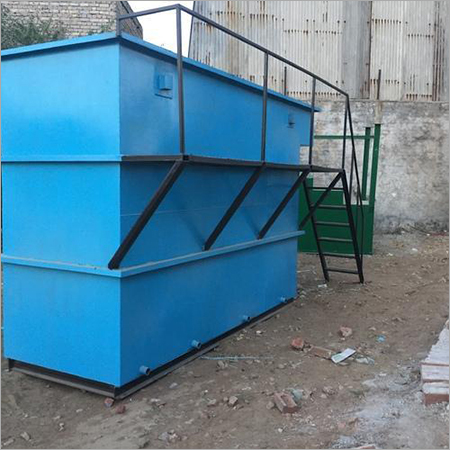
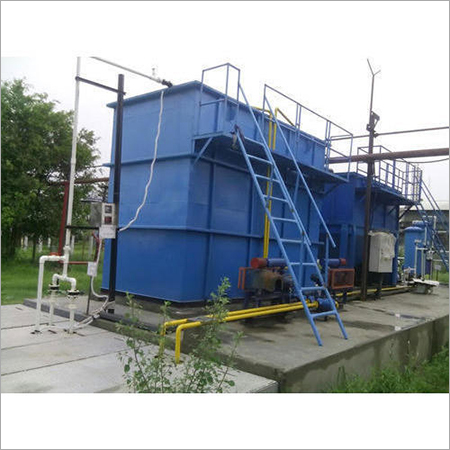
With optimum capability and rich industry expertise, we have been able to emerge as a trusted manufacturer and supplier of Compact Sewage Treatment Plant. The plant is a combination of aeration tank and bio-media, removes organic impurities through a biological process. This plant is highly demanded in hotels, hospitals, resorts and many other commercial sectors. It has a modular structure with completely covered plant. Treated water can be reuse for gardening, toilet flushing, landscape, irrigation, cooling towers and more. The plant comprises of pumps, aeration blower, dosing systems, Tertiary system, monitoring and control systems. Compact Sewage Treatment Plant ensures optimum water treatment support for industrial units as well as for commercial and residential establishments.
Product Details:
|
Automation Grade
|
Automatic
|
|
Installation Type
|
Prefabricated
|
|
Air Blower Power
|
1.5 kW
|
|
Water Pump Power
|
5 kW
|
|
Air Blower Count
|
2
|
|
Capacity
|
1000 m3/day
|
Advanced Biological Treatment TechnologyEmploying MBBR technology, this compact plant offers a highly effective and robust biological treatment process, breaking down organic pollutants and reducing biochemical oxygen demand (BOD) and chemical oxygen demand (COD) to meet stringent discharge standards. Its design allows for consistent operation even under varying loads, making it ideal for residential and commercial sewage treatment.
User-Friendly and Durable DesignThe sewage treatment plant features a fully automatic, PLC-based control panel for streamlined operation. The containerized or prefabricated unit is constructed from anti-corrosive coated mild steel, ensuring longevity and resistance against harsh conditions. With a service life of 1015 years and low maintenance needs, it offers both reliability and sustainability.
Versatile Application and ReuseDesigned for a broad range of capacities (50500 KLD), this plant serves residential complexes, commercial buildings, and similar settings. The treated water, with its exceptional purity, is suitable for irrigation and various reuse applications, supporting eco-friendly water management and cost savings.
FAQs of Compact Sewage Treatment Plant:
Q: How does the Compact Sewage Treatment Plant achieve low BOD, COD, and suspended solids in the treated water?
A: The plant utilizes MBBR technology, where biofilm carriers promote efficient microbial breakdown of organic pollutants. This process substantially reduces BOD levels to under 10 mg/L, COD to below 30 mg/L, and suspended solids to less than 10 mg/L, ensuring high-quality treated effluent.
Q: What are the main benefits of the containerized or prefabricated design?
A: The containerized or prefabricated structure enables quick and hassle-free onsite installation, minimizes land use, and offers portability. Its robust mild steel frame with anti-corrosive coating ensures durability, while the design supports operation in atmospheric pressure conditions for safety and reliability.
Q: Where can this sewage treatment plant be installed?
A: This plant is ideal for residential housing societies, commercial buildings, hotels, schools, and other institutions requiring efficient domestic sewage treatment. Its flexible footprint and customizable inlet/outlet options allow integration into various sites across India and similar climates.
Q: What is the typical process for operating the plant?
A: Operation is fully automatic, managed via a PLC-based control panel. After initial setup, wastewater enters the MBBR reactor, where biofilm carriers treat it biologically. An air blower enhances microbial activity. The treated effluent is then discharged for irrigation or reuse, and sludge generation remains minimal.
Q: When should maintenance be performed, and what does it involve?
A: Regular maintenance involves periodic inspection of the air blower, cleaning of inlet/outlet pipes, and monitoring of the PLC system. Depending on usage, routine checks are recommended every 3-6 months, ensuring optimal performance and consistent treated water quality.
Q: How does the plant support water reuse and environmental sustainability?
A: By producing high-quality effluent suitable for irrigation and reuse, the plant conserves freshwater resources and reduces environmental pollution. Low sludge generation also minimizes environmental impact, making it a sustainable solution for sewage management.
Q: What capacities are available and how is flow rate managed?
A: The plant is available in capacities from 50 to 500 KLD, with flow rates ranging from 50 to 500 m/day. Automation and PLC controls help manage variable inlet flows efficiently, ensuring stable operation and quality output regardless of fluctuations.