About Centrifuse Machine
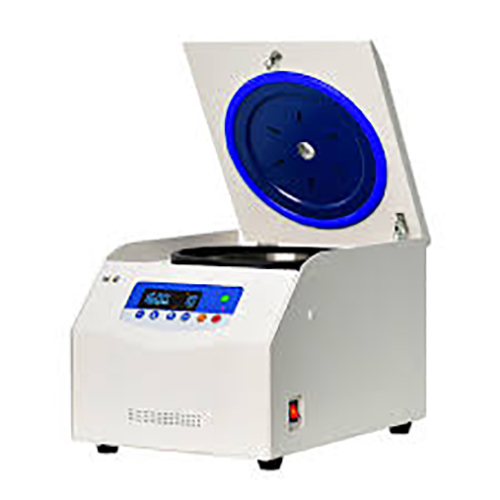
A centrifuge is a laboratory device that separates liquids, gases, or liquid-solid mixtures based on density by rotating samples at high speeds, using centrifugal force to induce sedimentation. Key components include a motorized drive shaft, a rotor holding sample tubes, and a secure cabinet. Common specifications include speeds from 4,000 to over 20,000 RPM, digital timers, and variable speed control.
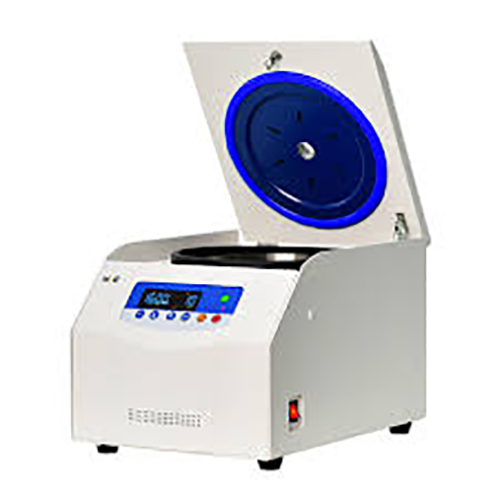
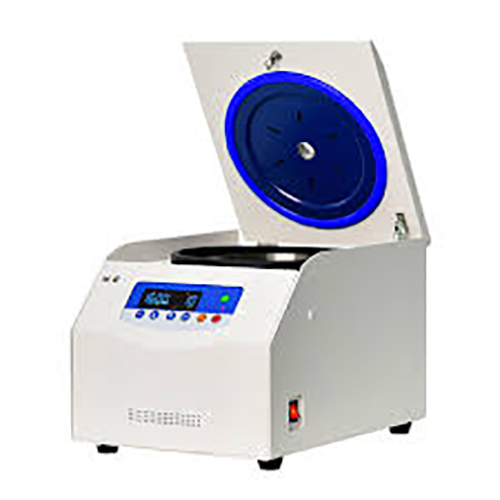
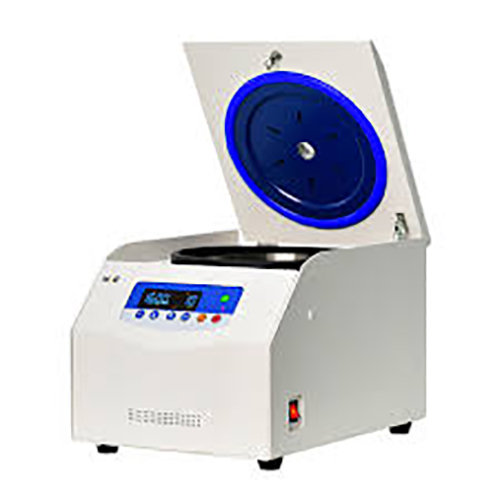
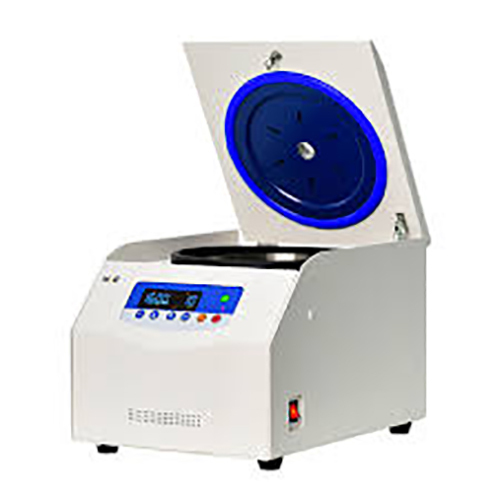
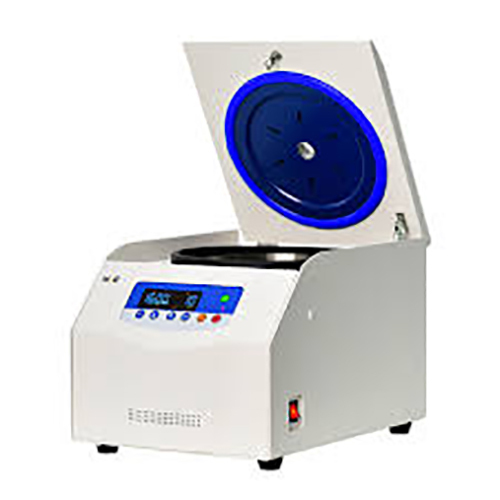
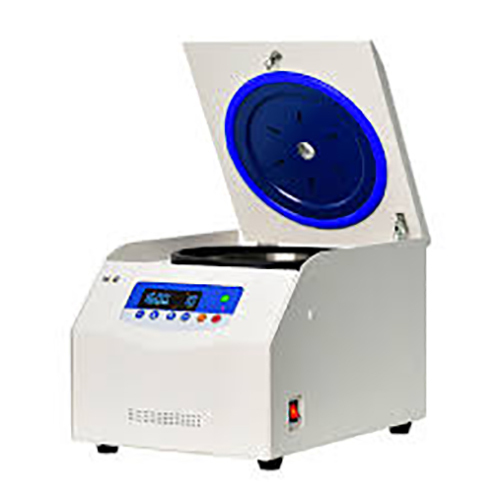
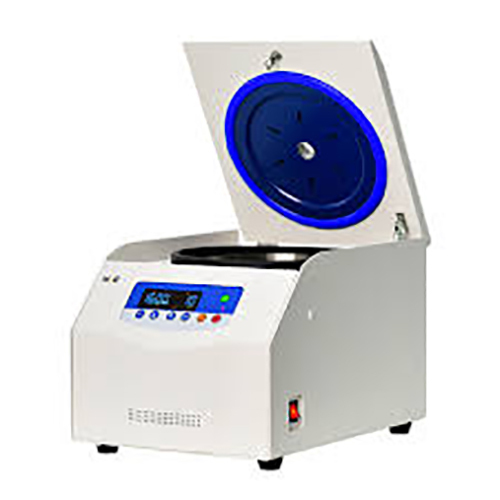
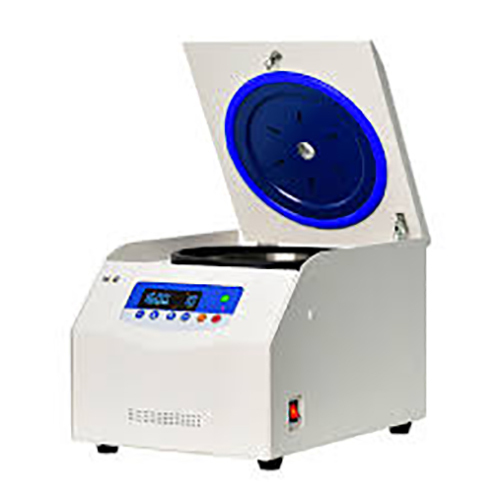
Durable Design & ConstructionThe centrifuge features a sturdy mild steel body with a powder-coated finish, ensuring long-term resistance against corrosion and wear. The stainless steel centrifugal chamber is engineered for both safety and longevity, making it ideal for repeated laboratory use.
Efficient Performance with User-Friendly ControlsEquipped with a heavy-duty motor and a belt-driven mechanism, this centrifuge achieves up to 5500 RPM with minimal noise. Its simple analog control panel and manual lid operation facilitate safe and straightforward operation for laboratory technicians.
Ideal for Varied Laboratory SettingsWith a medium capacity and compatibility with 220V AC at 50 Hz, this table-top centrifuge is suitable for a range of laboratory applications within research centers, clinics, and biotech institutions across India.
FAQ's of Centrifuse Machine:
Q: How is the centrifuge machine operated and what are its main controls?
A: The centrifuge machine is operated using a manual lid and controlled via an analog control panel. Users can easily adjust the speed and time using the panel, making it straightforward to set parameters for different laboratory processes.
Q: What is the capacity and type of tubes this centrifuge can accommodate?
A: This model is designed for medium-capacity applications and can hold up to six tubes simultaneously. It supports standard laboratory tubes suitable for clinical, research, and industrial analysis.
Q: When should this centrifuge be used in the laboratory process?
A: The centrifuge is best used whenever there is a need to separate substances of different densities, such as for plasma or serum preparation, cell organelle separation, or other biochemical investigations.
Q: Where is this centrifuge typically utilized?
A: Commonly found in laboratories, research institutions, clinical settings, and biotech companies, this centrifuge is suitable for environments that require reliable medium-scale sample separation, particularly in India.
Q: What benefits does the powder-coated mild steel body offer?
A: The powder-coated mild steel body enhances the machine's durability by providing excellent corrosion protection, ensuring a long operational life even in busy or high-humidity laboratory environments.
Q: How does the drive mechanism influence performance and noise?
A: The belt-driven mechanism paired with a heavy-duty electric motor enables smooth, efficient operation at speeds up to 5500 RPM. This design contributes to low noise levels during runs, supporting a quieter lab environment.







 Send Inquiry

 Send Inquiry

 Send Inquiry
 Send SMS