About PLC Waste Water Treatment Plant
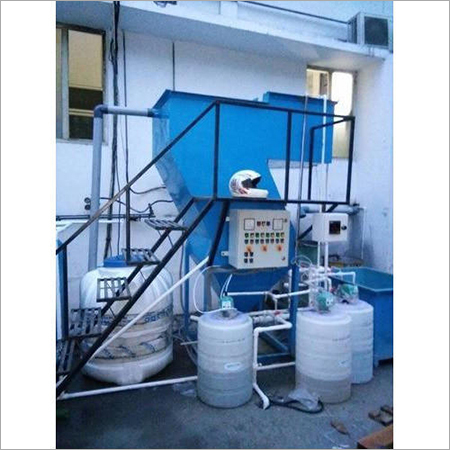
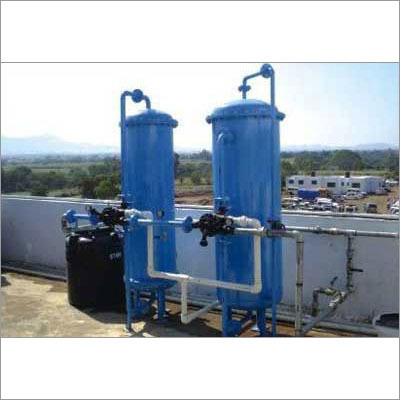
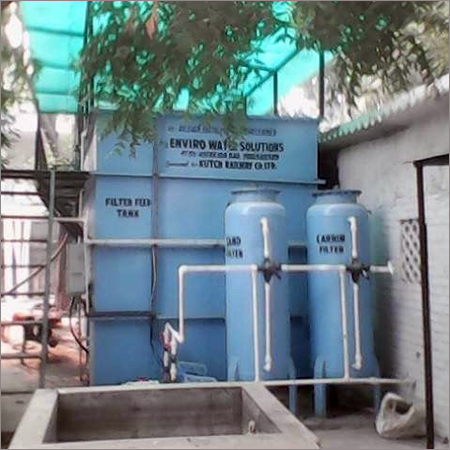
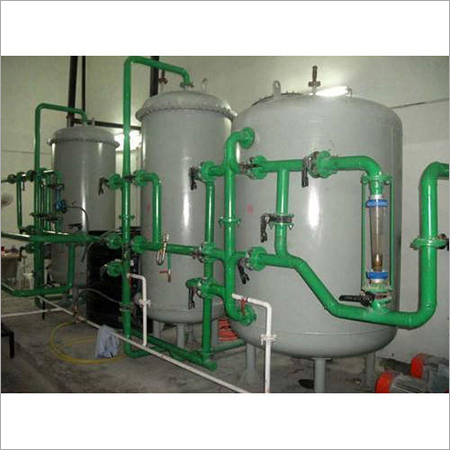
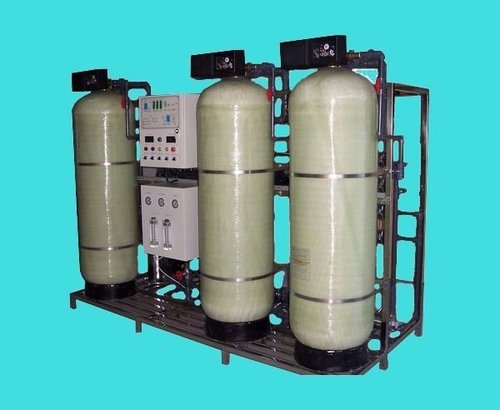
Holding a highly reputed and trusted market standing, we are engaged in manufacturing and supplying PLC Waste Water Treatment Plant. Water treatment is a mandate to continually improve the discharge standards and lower environmental hazards. This plant is used to remove solid material, suspended organic material as well as the nutrients nitrogen & phosphorus from wastewater. We manufacture this plant under the guidance of expert supervisors using optimum quality materials. It is used in pulp & paper industry, dairy industry, chemical industry and mines & quarries. PLC Waste Water Treatment Plant is also used in Municipal corporation and chemical industry to remove biological contamination and solid particles from water.
Product Details:
| Automation Grade | Automatic |
| Feed Flow Rate | 1000 m3/day |
| Capacity Inlet Flow Rate (cubic meter/hour) | 500 m3/hour |
| Installation Type | Prefabricated |
| Water Pump Power | 5 kW |
| Air Blower Count | 2 |
Advanced Automation with PLC ControlLeveraging state-of-the-art Programmable Logic Controller (PLC) automation, this waste water treatment system ensures precise, reliable operations. The user-friendly interface allows operators to monitor, control, and adjust the treatment process in real-time while maintaining high safety standards through overload protection and emergency stop features.
Robust Design for Versatile ApplicationsConstructed from Mild Steel, FRP, or Stainless Steel, and designed to operate within 550C temperature ranges, this plant handles diverse water sources with varying conductivities. Suitable for capacities from 5000 to 100,000 liters per day, it serves multiple industries, including textiles and municipal utilities.
High Efficiency & Eco-Friendly PerformanceDelivering up to 98% operational efficiency and up to 99% water purity, the system recycles water efficiently with a recycle rate up to 95%. Its advanced pre-treatment (screening, sedimentation, equalization) and multi-stage filtration (cartridge, sand, activated carbon) guarantee compliance with environmental standards.
FAQs of PLC Waste Water Treatment Plant:
Q: How does the PLC Waste Water Treatment Plant automate the purification process?
A: The plant uses a Programmable Logic Controller to automate operations such as flow regulation, filtration, and cleaning cycles. This ensures optimal process control, reduces manual intervention, and maintains consistent water quality throughout its operation.
Q: What types of water sources can this plant effectively treat?
A: It is engineered to treat industrial effluent and municipal wastewater, handling water in conductivity ranging from 1000-2000 S/cm, making it ideal for varied applications in textile, food processing, and chemical sectors.
Q: When should the cleaning system be used, and is it manual or automatic?
A: The plant features both automatic backwash and manual cleaning options. Automatic cleaning is scheduled by the PLC based on usage and water quality, while manual cleaning can be initiated if additional maintenance is required.
Q: Where can the PLC Waste Water Treatment Plant be installed?
A: This solution is designed for flexibility, available as containerized or skid-mounted units, making it suitable for on-site installation in industrial facilities or municipal sectors across India and abroad.
Q: What is the process flow of water treatment in this plant?
A: Incoming wastewater undergoes pre-treatment steps like screening, sedimentation, and equalization, followed by advanced filtration and disinfection. The treated water meets CPCB/BIS norms and can be recycled or safely discharged based on requirements.
Q: How does the plant ensure operational safety and compliance?
A: It is equipped with overload protection, emergency stop buttons, and low-noise operation (<65dB) to ensure safety and compliance with industrial standards and environmental regulations.
Q: What benefits does this waste water treatment system provide?
A: The plant offers high water recovery (up to 95%), energy efficiency (215 kW power consumption), low maintenance, and consistent water quality, significantly reducing environmental impact and operational costs.







 Send Inquiry

 Send Inquiry

 Send Inquiry
 Send SMS
 Call Me Free